Understanding Vitamins: What They Do and Where They Come From
Vitamins are one of those topics that come up everywhere — on food packaging, in conversations, on social media — without always being explained clearly. In simple terms, vitamins are nutrients the body needs in small amounts to carry out everyday functions. They are typically grouped by how the body processes them: water-soluble vitamins like the B vitamins and vitamin C, which are not stored for long, and fat-soluble vitamins such as A, D, E, and K, which the body holds onto more readily. Both groups play roles described in general nutrition science.
Water-soluble vitamins are often discussed in the context of routine, everyday metabolism. The B-vitamin family is commonly associated with how the body converts food into usable energy, while vitamin C is often mentioned in connection with general immune function and how the body builds connective tissue. Because these vitamins are not stored in large amounts, public health information frequently encourages eating foods that contain them on a regular basis — not in unusual quantities, but as part of an ordinary, varied diet.
Fat-soluble vitamins tend to be talked about a little differently. Vitamin A is often noted for its role in vision and general cellular processes, vitamin D for its connection to bone health and calcium balance, vitamin E for its role as an antioxidant, and vitamin K for normal blood clotting. Because the body stores these vitamins, intake guidance can be more nuanced — too little and too much can both matter — which is one reason personalized advice from a qualified professional is more reliable than generic recommendations.
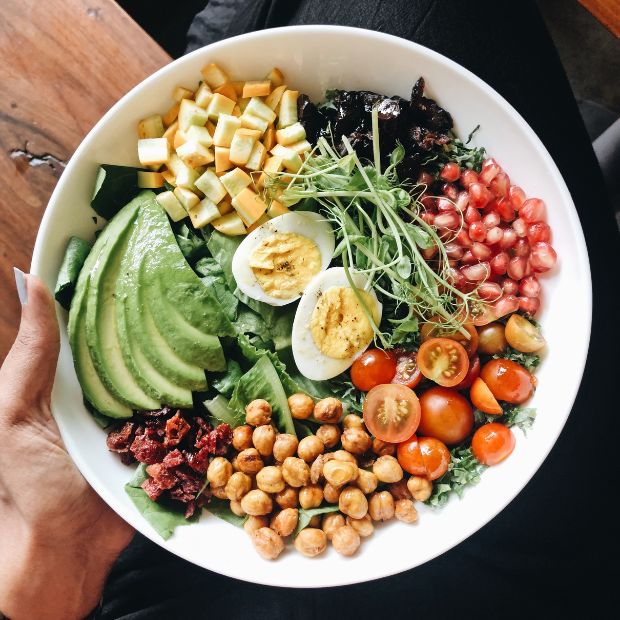
For most people, a varied, balanced diet remains the foundation that nutrition organizations point to. Whole foods like fruits, vegetables, whole grains, legumes, dairy or fortified alternatives, eggs, fish, lean meats, nuts, and seeds collectively provide a wide range of vitamins and other nutrients. Supplements may have a role in some specific situations — for example, when a healthcare professional identifies a particular need — but they are not automatically a substitute for a thoughtful diet and should not be self-prescribed in high doses.
The general takeaway is straightforward: vitamins matter, food usually comes first, and individual circumstances vary. Pregnancy, certain medical conditions, medications, age, and lifestyle can all affect what makes sense for a particular person. This article is provided for general informational purposes and does not constitute medical or nutritional advice. Anyone considering changes to their diet, or thinking about adding a supplement, is encouraged to consult a qualified healthcare professional who can take their full health picture into account.